食べる
Dining
01 — INTRODUCTION
食べることに、夢中になる。
Rediscover the Joy of Eating
目の前に運ばれてきた、見慣れない料理。
これは何だろう。
どうやって食べるんだろう。
ひと口食べてみる。
あれ、思っていた味と違う。
でも、どこかで食べたことがあるような。
もうひと口。
今度は、こっちと一緒に食べてみようか。
あ、さっきと全然違う。
じゃあ、次は?
どうすれば、もっと美味しく食べられるだろう。
そんなことを考えているうちに、
いつの間にか、ほかのことは頭から消えている。
ただ、目の前の料理と、自分の感覚に夢中になる。
いつも当たり前にしている「食べる」ということが、
こんなに面白かったなんて。
Read in English
An unfamiliar dish is placed in front of you.
What is this?
How am I supposed to eat it?
You take a bite.
Oh, that’s different from what I expected.
I wonder what’s in it.
Another bite.
Maybe I’ll try it with this next.
Oh, that’s completely different.
What about this combination?
How could I make it taste even better?
Before you know it, you’re so caught up in exploring the food in front of you that nothing else crosses your mind.
You’re completely absorbed in the food in front of you, and in what your senses are telling you.
Who knew that something as ordinary as eating could be so much fun?
02 — OUR FOOD
山と食卓を囲む。
Sharing a Table with the Mountains
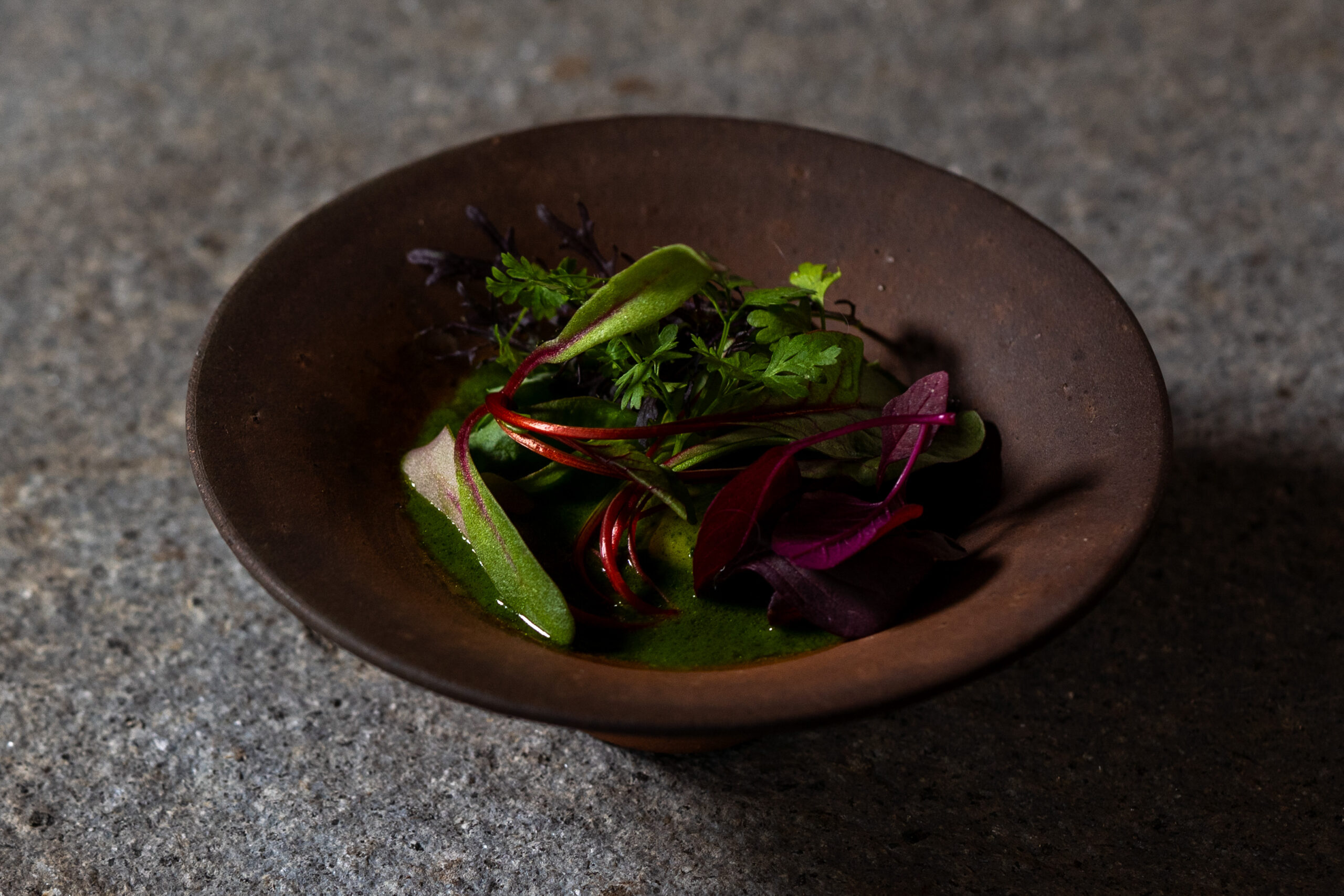
山の恵みをいただくことは、その土地の自然と、そこに生きてきた人々の営みに触れること。
季節とともに移り変わる山の恵み。限られた食材を生かすために受け継がれてきた知恵。
くすしきでは、そうした土地の食文化を大切にしながら、世界の山岳地域に伝わる調理法も取り入れ、今の私たちだからこそできる料理を生み出しています。
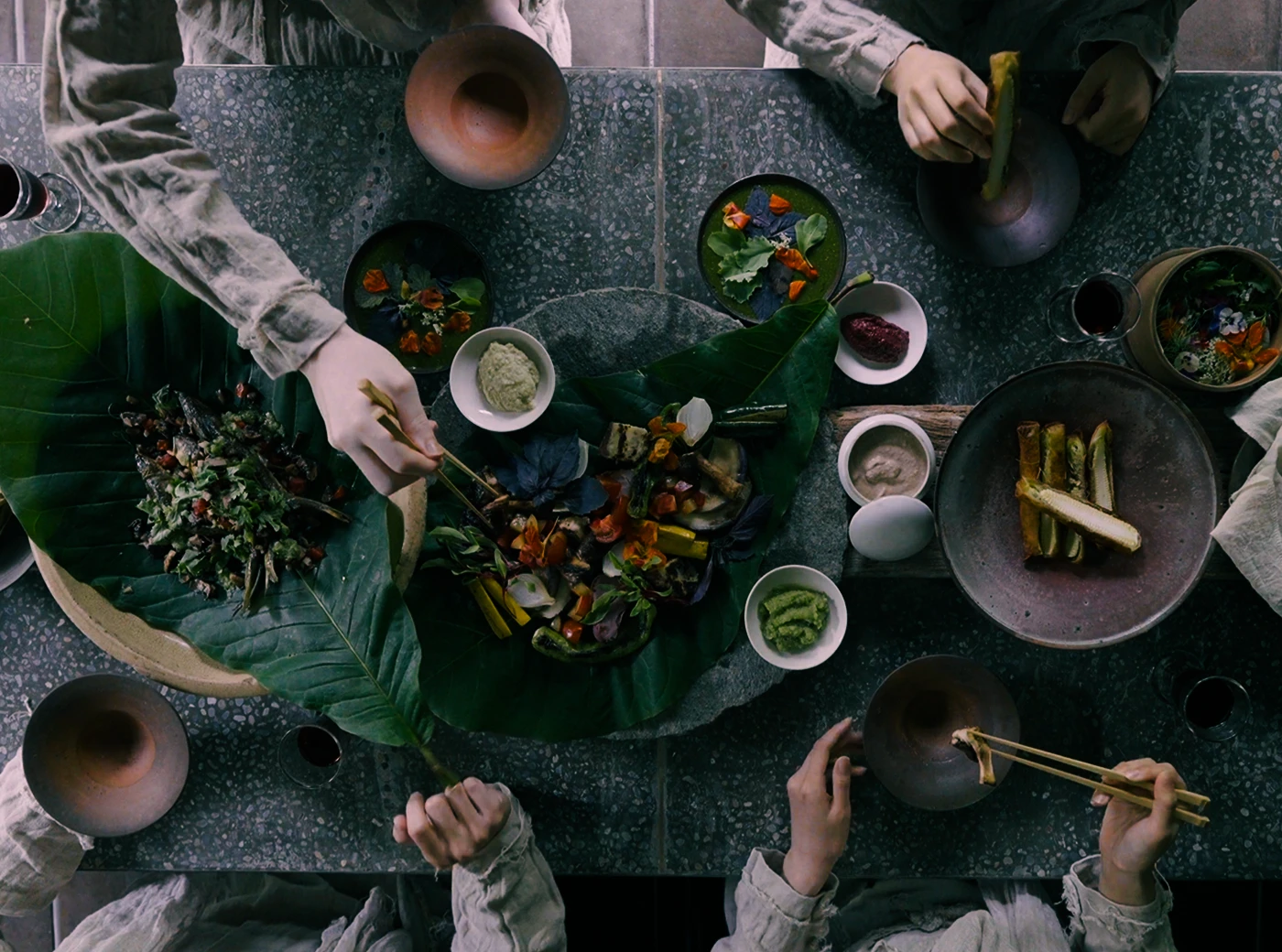
その恵みをいただき、山の営みを感じながら、同じ食卓を囲む。
そんな気持ちを、一皿一皿に込めています。
Read in English
To enjoy the gifts of the mountains is to connect with the nature of the land and the lives of those who have called it home.
The mountains offer different ingredients with every season. Over generations, people have found ways to make good use of the limited ingredients available to them, passing this knowledge down through the years.
At kusushiQui, we draw on these local food traditions, while also exploring cooking methods from mountain communities around the world, to create dishes that are uniquely our own.
We share a table with the mountains, enjoying their gifts and feeling connected to the life that surrounds us.
This is the spirit we bring to every dish.
03 — THE EXPERIENCE
自分の感覚で、味わう。
Trust Your Own Senses
私たちは普段、どれほど自分の感覚を使って食事をしているでしょうか。
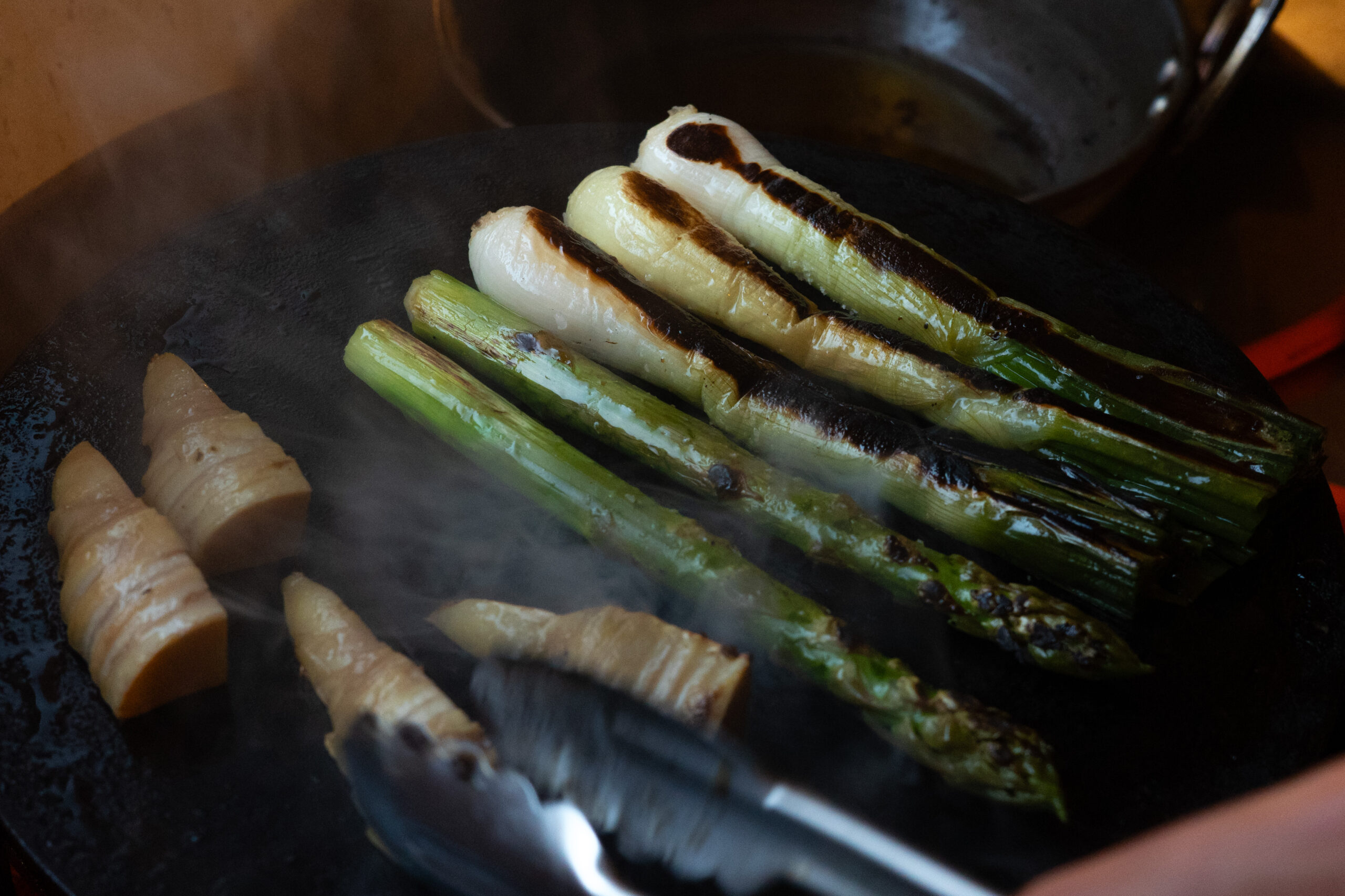
くすしきでは、飲み物のラベルを外してお出ししています。食材をシンプルに焼き、塩だけで味わっていただくこともあれば、思いがけない調理法や組み合わせから、新しい味わいが生まれることもあります。
名前や価格を知る前に、まずは自分の舌で味わってみる。
料理の香りを感じ、手で触れ、温度や質感を確かめる。
組み合わせを変えたり、思いついた食べ方を試したり。
そんなひとつひとつの体験が、自分の感覚に意識を向けるきっかけになればと考えています。
美味しいと感じること。
好きだと思うこと。
もう一度味わいたいと思うこと。
食べるという身近な行為を通して、自分の中にある素直な感覚に、もう一度気づく。
くすしきでは、そんな食の時間を大切にしています。
Read in English
How often do we really pay attention to our senses when we eat?
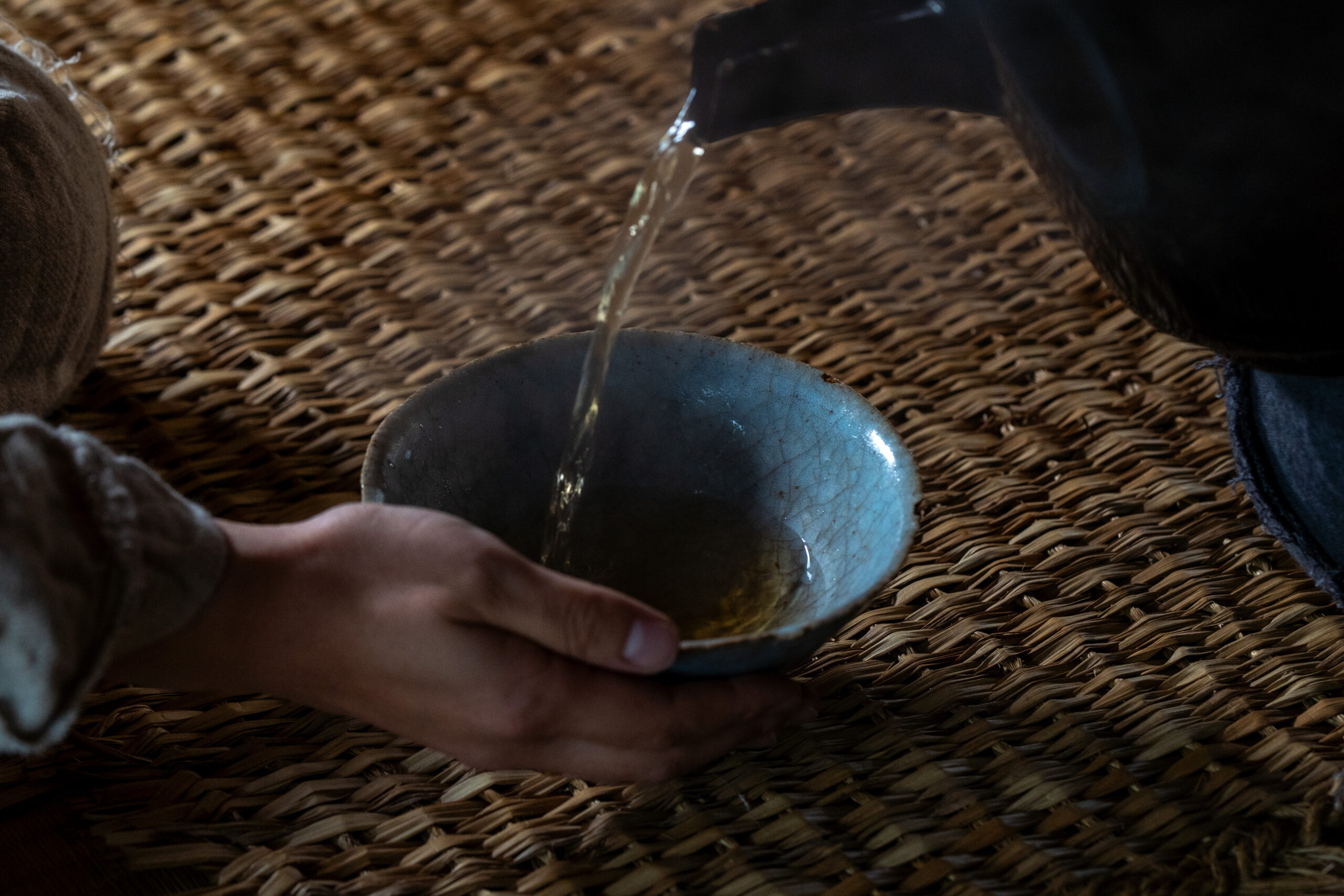
At kusushiQui, we serve drinks without their labels. Some ingredients are simply grilled and seasoned with salt, while others are prepared in unexpected ways or paired to create surprising new flavours.
Before you know its name or price, taste it for yourself.
Notice the aroma of a dish. Touch it and feel its temperature and texture. Try different combinations, or follow your curiosity and see what happens.
We hope these little experiences encourage you to pay closer attention to your own senses.
You begin to notice what tastes good to you, what you enjoy, and what makes you want another bite.
Through the simple, everyday act of eating, you can reconnect with your own natural sense of what feels right to you.
This is the kind of dining experience we hope to share with you at kusushiQui.

04 — PHILOSOPHY & FOOD DIRECTOR
食べるということ
Philosophy & Food Director
日本文化においての「食べる」という事の根源を、山の土地に根ざして生きてきた人々の自然観をベースに再構築する。それは異物を体内に取り込む行為であるし、食物という異物と融和する儀式であり、「くすしき」における食事の意味である。
古平 賢志
At kusushiQui, we reconstruct the very essence of “eating” through the lens of the traditional Japanese view of nature—a worldview shaped by generations who lived in deep connection with the mountain land. To eat is to take something foreign into the body—a ritual of harmonizing the self with the other that is food. This is what a meal means to us here.
Kenji Kodaira
古平 賢志 Kenji Kodaira
フードディレクター・空想料理人
Food Director / Chef of Imagination
群馬県前橋市出身。沈黙と手食による五感の食体験「MOKUJIKI(黙食)」を考案し、料理を超えた“舞台”としての食を提供する。千葉県松戸市での活動を経て、現在は群馬県六合村を拠点に「ヤマノタミ」として活動。山の恵みやスパイスを通じて、土地に根ざした食と文化を表現している。
Born in Maebashi, Gunma Prefecture. He created MOKUJIKI, a sensory dining experience centred around silence and eating with one’s hands, where food becomes something more than a meal — a form of performance.
After working in Matsudo, Chiba Prefecture, he is now based in Kuni Village, Gunma, where he works under the name Yamanotami. Through the gifts of the mountains and the use of spices, he explores food and culture rooted in the local landscape.
05 — DINING DETAILS
お食事のご案内
Dining Information
DINNER
夕食
くすしきでは、山の恵みを中心とした3種類のお食事をご用意しています。
ご予約時にお好みのお食事をお選びください。
At kusushiQui, we offer three dinner options, each centred around the gifts of the mountains.
Please select your preferred option when making your reservation.
山喰
やまぐい|ベジタリアン
野菜を中心に、卵・乳製品を使用した料理。肉・魚は使用しません。
Yamagui | Vegetarian
A vegetable-focused meal that may include eggs and dairy products. No meat or fish is used.
山贄
やまにえ|肉または魚
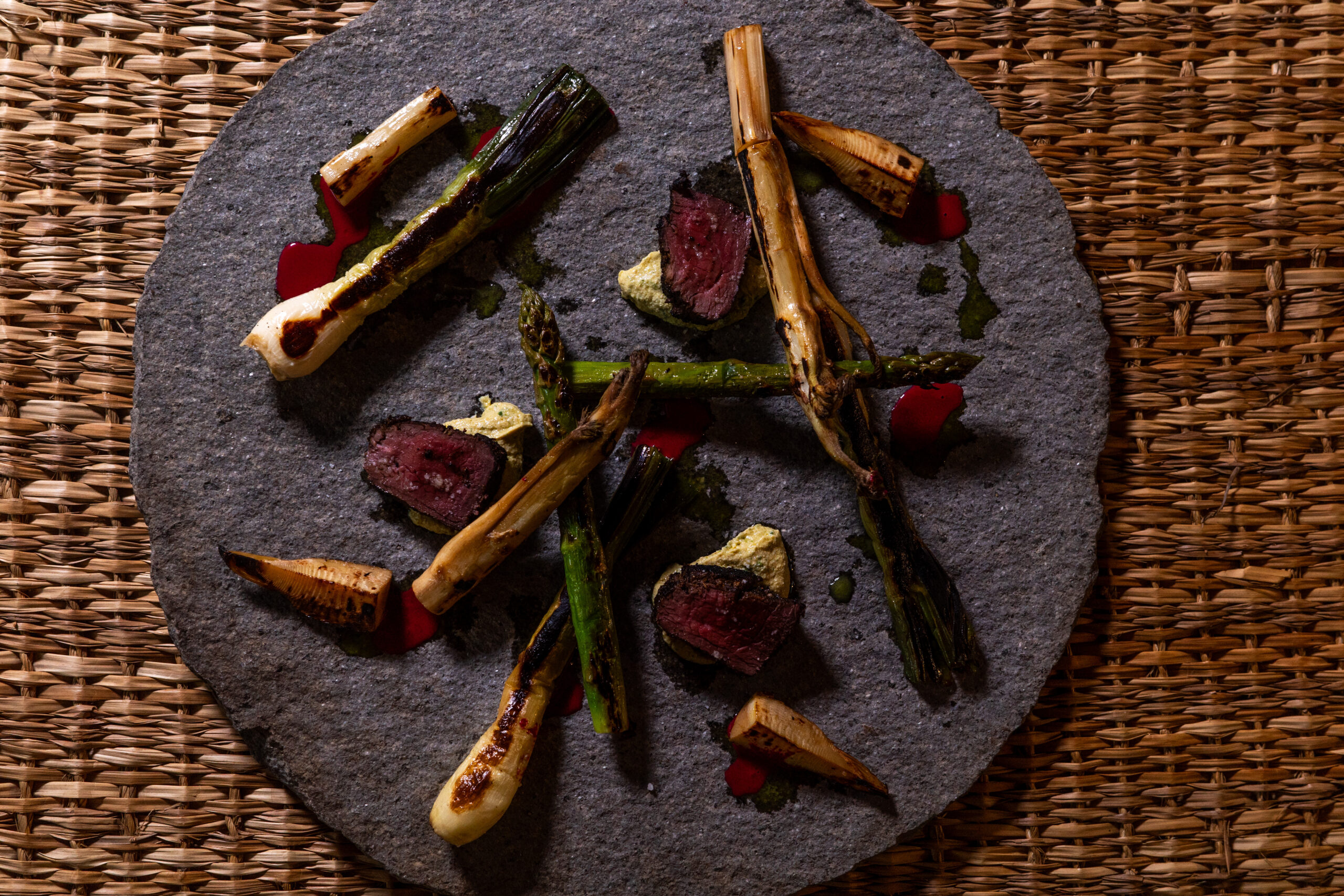
山喰のお料理に、肉または魚を使った一皿を加えたお食事。肉または魚の内容は、その日の仕入れ状況によって変わります。
Yamanie | With Meat or Fish
The Yamagui vegetarian meal, with an additional dish featuring either meat or fish. The selection depends on the ingredients available that day.
山供
やまく|ヴィーガン
動物性食材を一切使用しない、完全菜食のお料理です。
Yamaku | Vegan
A fully plant-based meal prepared without any animal-derived ingredients.
BREAKFAST
朝食
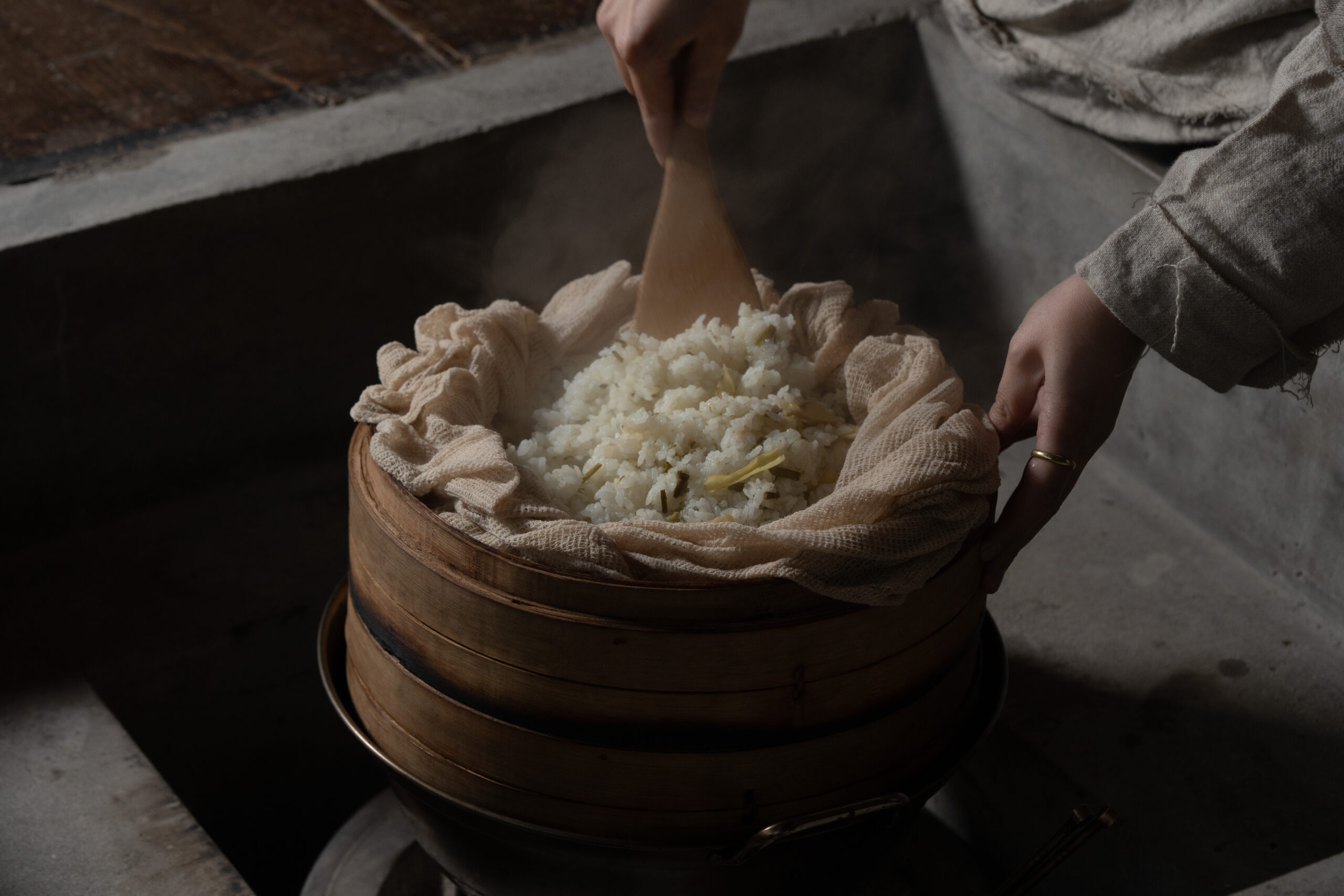
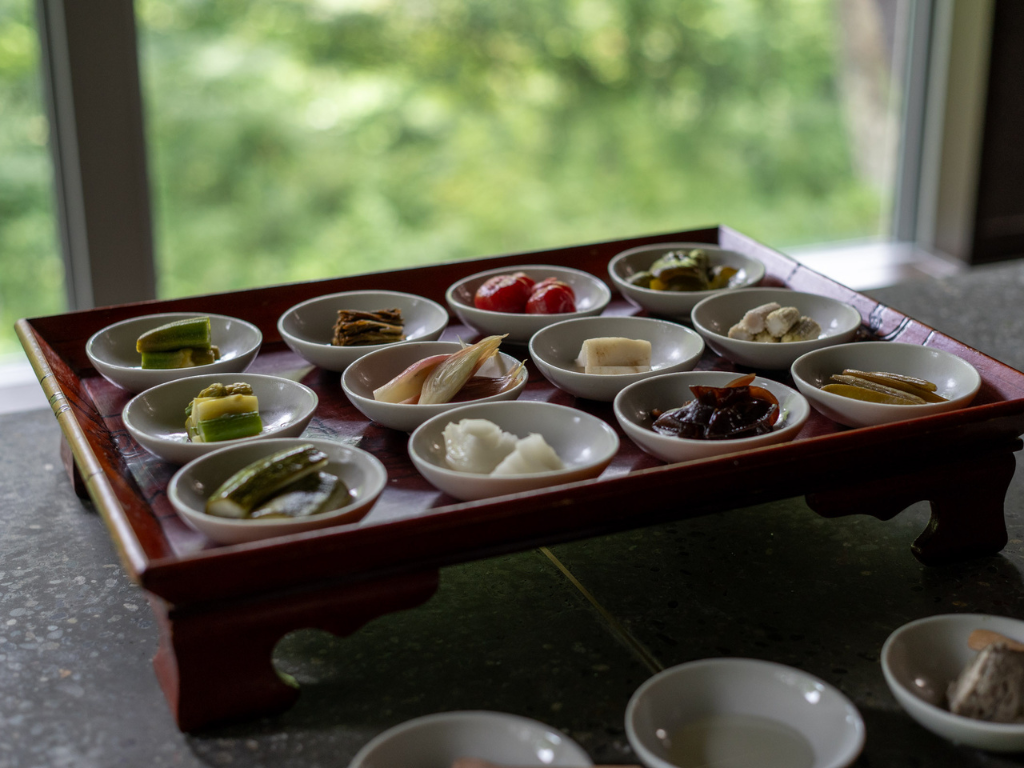
季節の食材を使った十数種類のお漬物に、ご飯とお味噌汁。
一日の始まりに、素材の味わいをゆっくりと楽しんでいただく、シンプルな朝食です。
A simple breakfast of rice, miso soup and a selection of seasonal pickles, usually more than ten varieties.
A gentle start to the day, with time to enjoy the natural flavours of each ingredient.
お食事の時間
夕食 18:00頃
朝食 8:00頃
Dinner: Around 6:00 pm
Breakfast: Around 8:00 am
※食物アレルギーをお持ちの方は、ご宿泊の1週間前までにお知らせください。
Please inform us of any food allergies at least one week before your stay.